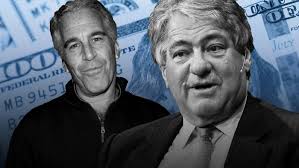
I asked ChatGPT questions on Jeffrey Epstein and ties to Apollo and state pensions and it came up with this interesting story.
Here is a structured summary of the known facts and plausible linkages:
🔴 1. Leon Black’s Relationship with Epstein (2000–2018)
- Black paid Epstein $158 million between 2012 and 2017 for “tax and estate planning services,” even after Epstein’s 2008 conviction for soliciting a minor.
- Black continued associating with Epstein until at least 2018, including visiting his Manhattan townhouse and wiring large payments through Epstein-controlled entities.
- A 2021 investigation commissioned by Apollo found that Black used Epstein’s advice personally, but no Apollo funds were allegedly involved.
Sources:
🟠 2. Apollo Clients: Public Pensions with Investments During the Epstein Period
Apollo received billions in commitments from public pensions during the time of Black’s Epstein payments:
🔹 CALPERS (California Public Employees’ Retirement System)
- CALPERS had over $1 billion committed to Apollo funds throughout the 2000s and 2010s.
- In 2021, CALPERS publicly expressed concern after the Epstein revelations:
“We are troubled by the allegations surrounding Mr. Black… We are monitoring the situation closely.”
— CALPERS spokesperson, January 2021 (per Reuters)
- Yet CALPERS continued investing in Apollo funds during this period.
🔹 New York State Common Retirement Fund (NYSCRF)
- NYSCRF had invested in Apollo funds since at least 2004.
- No public statements were made regarding the Epstein connection.
- [State Comptroller Thomas DiNapoli] did not comment after the Epstein story broke.
🔹 PSERS (Pennsylvania Public School Employees’ Retirement System)
- PSERS invested in Apollo throughout the 2000s and 2010s.
- In 2021, PSERS halted new investments in Apollo citing “reputational concerns,” though it’s unclear if the Epstein revelations or fee transparency were the primary driver.
Sources:
- Reuters CALPERS statement
- PSERS 2021 decision
🔵 3. Epstein’s Financial Ties: Were Public Funds Ever Routed Through Apollo or Epstein Entities?
There is no public evidence that Jeffrey Epstein directly managed or influenced public pension fund assets. However:
- Epstein had ties to multiple billionaires and institutions that did business with Apollo, such as:
- Glenn Dubin, co-founder of Highbridge Capital (later acquired by JPMorgan)
- Les Wexner, former L Brands CEO, who helped fund Epstein early on
- Epstein had extensive ties to JPMorgan, which continued banking him until 2013. JPMorgan is also a massive pension fund service provider (recordkeeping, private equity).
🟡 4. Legal and Reputational Fallout: Are Fiduciaries Complicit?
Despite:
- Epstein’s 2008 conviction
- Ongoing media coverage
- Black’s continued payments until 2017
Many pension funds continued (or even increased) their allocations to Apollo funds during this time. This raises fiduciary questions, including:
🔹 Did pension fund staff and consultants perform enhanced due diligence after 2008?
🔹 Should ongoing associations with figures like Epstein have triggered ethics reviews or investment committee action?
🔹 Are fiduciaries responsible for investing in firms led by individuals involved in known predatory or criminal associations?
These questions are especially relevant under ERISA’s duty of prudence and loyalty for Taft-Hartley and other quasi-ERISA public funds.
🧾 Summary Table: Epstein–Apollo–Pension Fund Triangulation
| Entity | Relationship to Epstein | Relationship to Apollo | Pension Exposure |
| Leon Black | Paid Epstein $158M; personal and professional relationship | Co-founder, CEO until 2021 | CALPERS, PSERS, NYSCRF, and others |
| CALPERS | None directly documented | Major LP in Apollo PE funds | Continued investment through 2021 |
| PSERS | None directly documented | Barred Apollo in 2021 | Long-time investor |
| NYSCRF | No public comment | Major Apollo LP | Continued investment |
| JPMorgan | Epstein’s bank until 2013; now facing civil suits | Co-investor and counterparty to Apollo in some deals | Recordkeeper and PE manager for public pensions |
🔚 Conclusion
While no direct Epstein–public pension link has been publicly documented, the indirect reputational and fiduciary exposure from Apollo’s long-term relationship with Epstein is substantial. The fact that most pensions continued to fund Apollo after Epstein’s first conviction in 2008—and after public reporting of payments—raises critical questions about the due diligence, risk oversight, and accountability of plan fiduciaries.
Apollo Global Management has managed to avoid full accountability despite a history of serious legal and ethical violations involving both misleading fee practices and pay-to-play corruption, largely due to a combination of structural legal advantages, regulatory capture, and a complicit investment culture in the pension fund world. Here’s a breakdown of how Apollo has avoided deeper consequences:
1. SEC Fine in 2016 — No Admission of Guilt
In 2016, Apollo paid $52.7 million to settle SEC charges that it misled investors about:
- Accelerated monitoring fees after portfolio company sales
- Failure to disclose conflicts of interest regarding interest from loans made to its funds
- Inadequate supervision regarding a senior partner’s expense-related misconduct
⚠️ Why this wasn’t true accountability:
- No criminal charges were filed.
- Apollo did not admit or deny the allegations.
- The fine was relatively small compared to Apollo’s multi-billion-dollar asset base.
👉 This is a typical outcome of SEC settlements with large private equity firms: civil penalties, no admissions, and limited deterrent effect.
Source:
SEC Press Release (2016)
AI-CIO Coverage
2. CALPERS Corruption Scandal — Apollo Avoided Legal Exposure
Apollo was deeply entangled in the CALPERS pay-to-play scandal in the 2000s. The scandal involved:
- Alfred Villalobos former LA Deputy Mayor and CALPERS Trustee as a placement agent was paid millions to steer CALPERS money to Apollo
- Fred Buenrostro, CALPERS CEO, who forged documents and later pled guilty
- Apollo paid Villalobos over $48 million in fees between 2002 and 2008
Villalobos committed suicide in 2015 before serving a prison term. Buenrostro was sentenced to 4.5 years in prison.
⚠️ Why Apollo escaped further consequences:
- Apollo claimed it was defrauded by Villalobos and that it relied on Buenrostro’s forged documents.
- The DOJ and SEC did not pursue charges against Apollo.
- The Dodd-Frank Act outlawed such placement-agent arrangements after the fact.
Apollo was later barred by the Pennsylvania Public School Employees’ Retirement System (PSERS) in 2021 due to lingering concerns, a rare action by a major pension.
Sources:
- Los Angeles Times on Villalobos suicide
- [SEC press releases and DOJ statements]
- Pensions & Investments on PSERS halting Apollo business
3. Regulatory Capture & Pension Fund Complicity
Despite scandals, Apollo continued to receive allocations from:
- CALPERS
- PSERS (until 2021)
- Other state and union pension funds, even after media coverage of improprieties
⚠️ Key reasons for this continued support:
- Pension boards and consultants often have conflicts of interest.
- Limited transparency into private equity fees and arrangements.
- Consultants and gatekeepers benefit from keeping these relationships intact.
4. Legal and Structural Impunity
Apollo benefits from:
- Delaware corporate law that limits fiduciary accountability
- Limited partner agreements that heavily protect general partners
- Mandatory arbitration clauses that block class actions or public lawsuits
- Weak enforcement by DOL and SEC, which often ends with settlements
Summary Table: Apollo’s Avoidance of Accountability
| Incident | Misconduct | Consequence | Accountability Gap |
| 2016 SEC Fine | Misleading fees, self-dealing | $52.7M settlement, no admission of guilt | No executives punished |
| CALPERS Scandal | Pay-to-play with CEO and trustee | Buenrostro jailed, Villalobos died | Apollo faced no charges |
| PSERS Blacklist | Pension barred new commitments | 2021 halt after internal investigation | Too little, too late |
| Broader industry practices | Excessive fees, hidden terms | Industry-wide normalization | LPs and consultants complicit |
Conclusion:
Apollo has avoided real accountability not because the facts were unclear, but because:
- The private equity industry enjoys legal and regulatory insulation.
- Pension fiduciaries are either unwilling or unable to act.
- Enforcement agencies are often reactive and understaffed.
 The CommonSense 401k Project